Melanoma AI
Predicting Melanoma Outcomes
ML models integrating clinical data and digital pathology predict primary melanoma recurrence — outperforming standard staging with AUROC 0.845 internal / 0.812 external validation.
Learn moreWe build AI systems to predict cancer outcomes and treatment toxicity at scale — integrating clinical, histopathologic, and spatial data across one of the largest melanoma and immunotherapy cohorts globally.
Improving how we predict, prevent, and treat cancer — patient by patient.
ML models integrating clinical data and digital pathology predict primary melanoma recurrence — outperforming standard staging with AUROC 0.845 internal / 0.812 external validation.
Learn more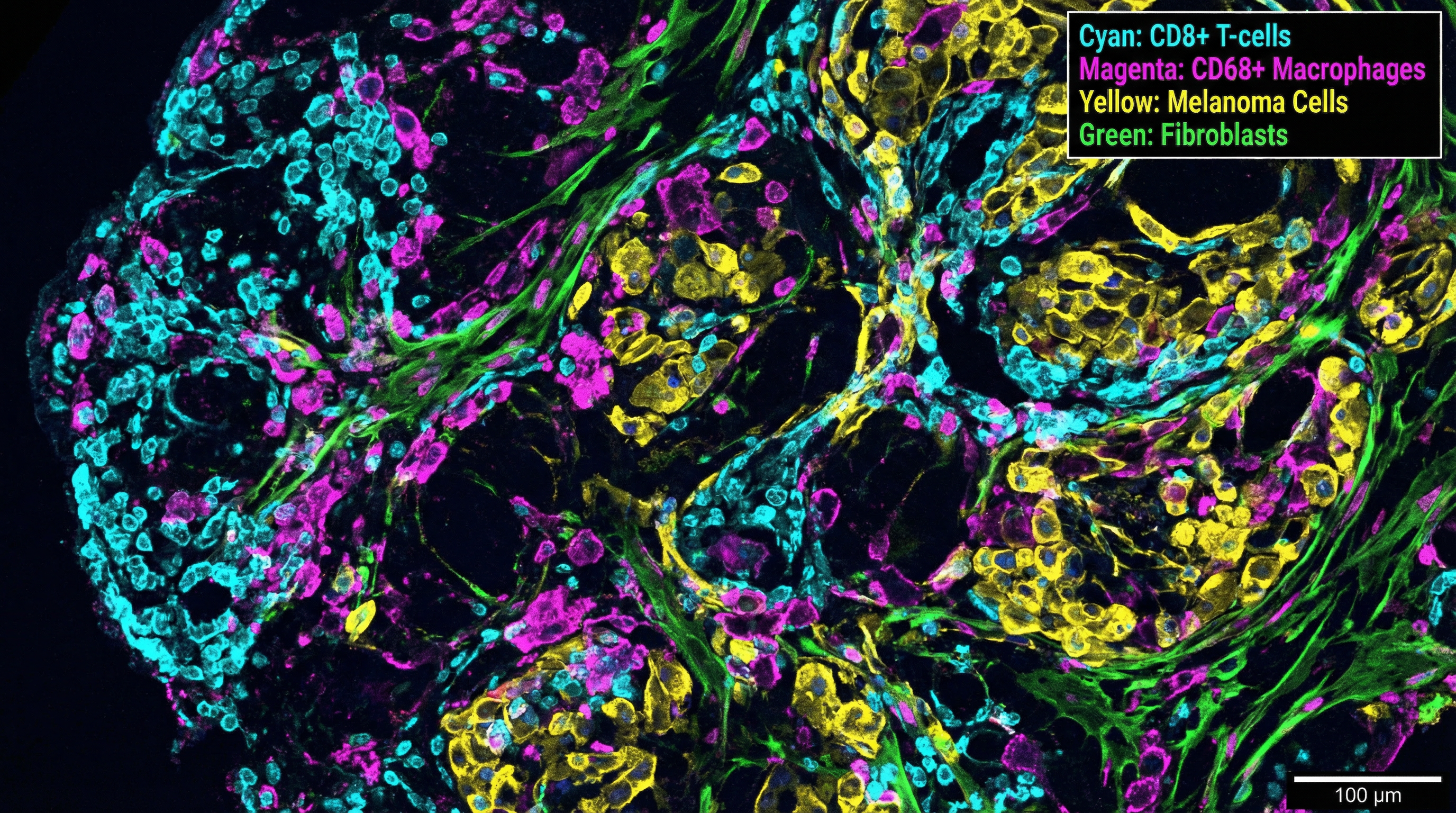
Multiplex imaging (t-CyCIF, ORION) and spatial transcriptomics reveal tumor–immune interactions and AI-driven biomarkers of treatment response.
Learn more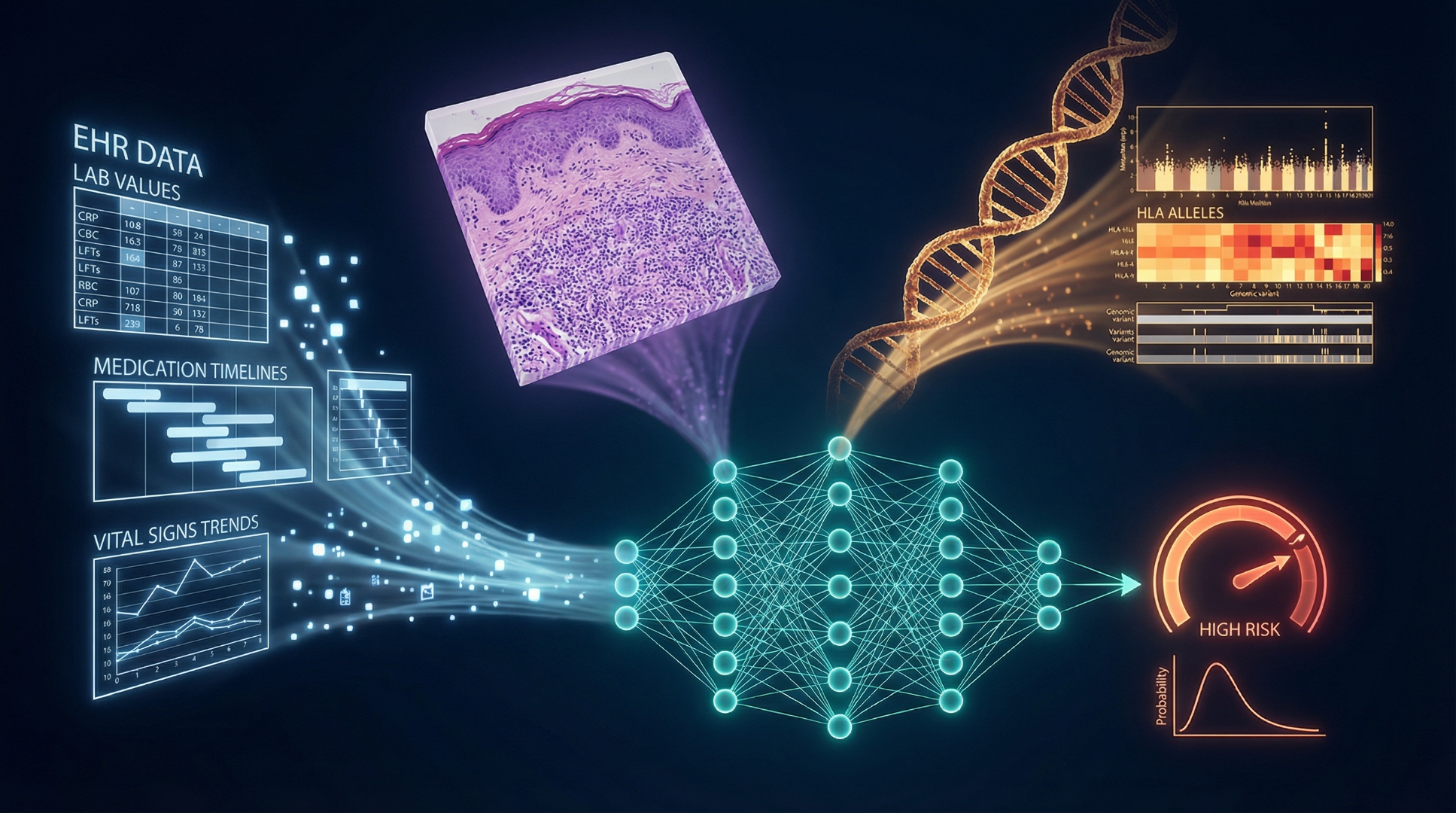
One of the largest irAE cohorts globally (24,000+ patients) — linking skin toxicities from checkpoint blockade to survival outcomes and establishing international consensus definitions.
Learn moreAs of September 13, 2026
Risk stratification and treatment guidance for melanoma patients — directly integrated into clinical workflows at MGH.
Tens of thousands of patients across multi-institutional datasets, among the largest in the field.
From computational model to clinical trial — our discoveries move from data to bedside.
Moving beyond TNM staging toward individualized, AI-driven prediction for every patient.
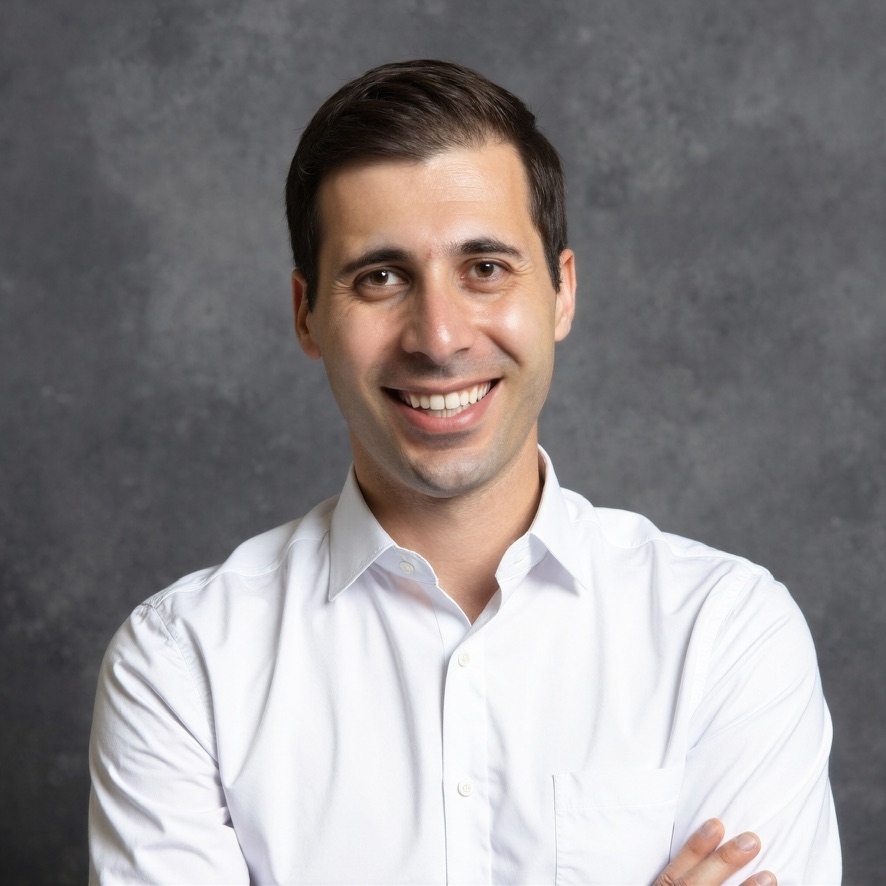
Melanoma kills over 8,000 Americans annually, and immunotherapy toxicities affect hundreds of thousands of cancer patients worldwide — yet clinicians still lack reliable tools to predict who is at risk. The Semenov Lab is at the forefront of applying AI at the intersection of dermatology and oncology to change this. Our research has produced guidelines used globally, machine learning tools that predict melanoma recurrence with greater accuracy than standard staging, large multi-institutional digital pathology cohorts in melanoma, and pharmacovigilance systems that identify drug toxicities at health-system scale.
Associate Professor of Dermatology, Harvard Medical School
Vice Chair of Medical Informatics, MGB Dermatology
Co-Director, MGB Oncodermatology Program · Board-certified dermatologist · 150+ publications · 5,000+ Google Scholar citations (September 13, 2026)
Published in Nature Medicine, Lancet Oncology, JAMA Dermatology, JAAD, and more.
Wan G, … Semenov YR et al.
Groha S, Alaiwi SA, … Semenov YR et al.
Wan G, Nguyen N, … Semenov YR et al.